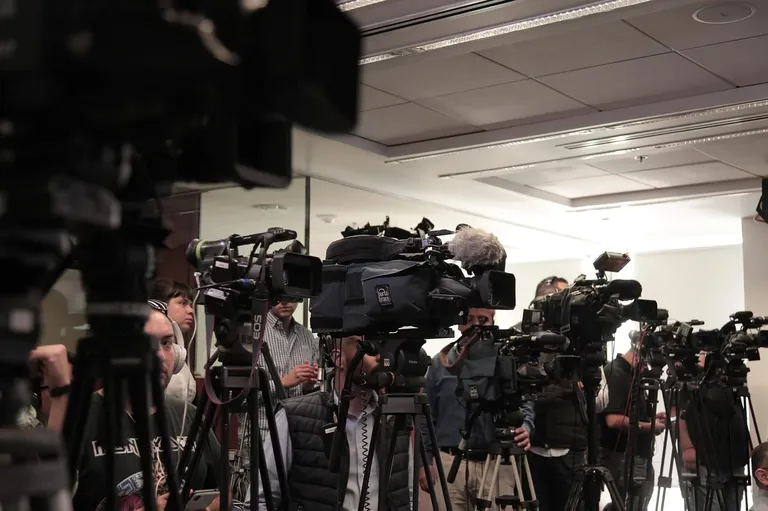
Some jurisdictions disclose a winner’s identity or require a public appearance. Publicity can produce intense attention within hours. A simple media plan helps the winner meet legal requirements while revealing no more than necessary and protecting family routines, addresses, and future decisions.
Confirm what is actually required
Ask the official lottery and local counsel which records, photographs, or events are mandatory. Public identification does not always require ongoing interviews. Rules found in stories from other states may not apply.
Prepare three safe messages
A brief statement can confirm gratitude, say that professional planning is underway, and decline details about spending or family. Rehearse a response to intrusive questions. Never announce travel dates, home security, or promised gifts.
Create one contact channel
Use a new email address or representative for media and unsolicited requests. Do not let personal phones and social accounts become the intake system. Preserve threatening messages and involve appropriate authorities when needed.
Coordinate the family
Relatives should avoid posting hints, ticket images, locations, or arguments about money. Children and vulnerable family members need age-appropriate privacy guidance. A consistent “no decisions yet” response reduces pressure.
Confirm what is actually required: where the claim stops
The useful fact behind “Confirm what is actually required” should stay connected to the exact question it answers. It does not automatically establish “prepare three safe messages,” and it cannot change the random mechanics of an eligible future drawing. For a media plan for a public lottery winner, the safest interpretation begins with the current official rules, the complete denominator, and the time period actually being discussed.
Context also matters when moving from “create one contact channel” to “coordinate the family.” A statement can be accurate for administration, data quality, security, or payout structure while offering no number-selection advantage. Keep those layers separate, identify what would disprove the claim, and resist turning one memorable example into a rule for every player or drawing.
Test a media plan for a public lottery winner with four concrete questions
- Confirm what is actually required: Ask the official lottery and local counsel which records, photographs, or events are mandatory. Which current official source confirms that boundary?
- Prepare three safe messages: A brief statement can confirm gratitude, say that professional planning is underway, and decline details about spending or family. What complete comparison would keep the conclusion proportional?
- Create one contact channel: Use a new email address or representative for media and unsolicited requests. Does this affect the next draw, or only how a past or administrative fact is understood?
- Coordinate the family: Relatives should avoid posting hints, ticket images, locations, or arguments about money. What action remains sensible if no prize is ever won?
A sound next step for a media plan for a public lottery winner
For a practical review of a media plan for a public lottery winner, write down the source, jurisdiction, game version, and date before making a decision. Then separate facts about the ticket or process from claims about future numbers. This short record makes assumptions visible and gives another reader enough context to check the conclusion independently instead of relying on urgency, branding, or intuition.
The personal decision should remain smaller than the analytical question. Use the information to avoid an error, protect a ticket, understand a term, or enjoy the public data—not to expand a wager. Publicity is an event to manage, not a debt to the audience. Meet official requirements, keep the statement narrow, and let verified legal and security advice guide any continued contact. If that conclusion conflicts with a sales prompt or a feeling that action is urgent, pause and verify through the official lottery before spending or sharing information.